Independent learning resource

EntryMap Fieldbook: From Raw Transaction Records to Structured Categories

Explore transaction fields, category relationships, import structures, and record classification through independent educational examples.

  • Understand eight core record fields
  • Compare CSV, QIF, OFX, and QFX
  • Learn with fictional transaction examples
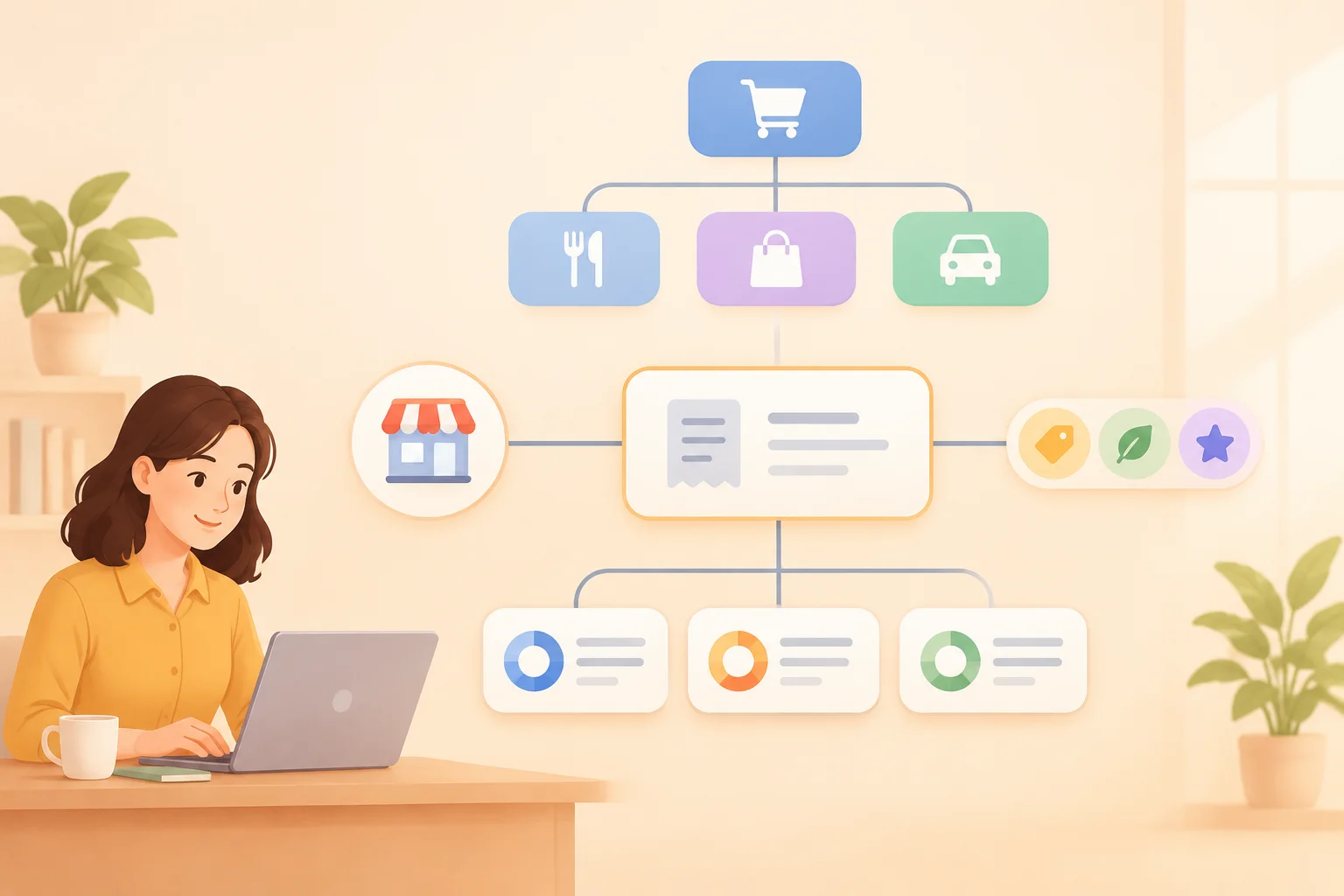
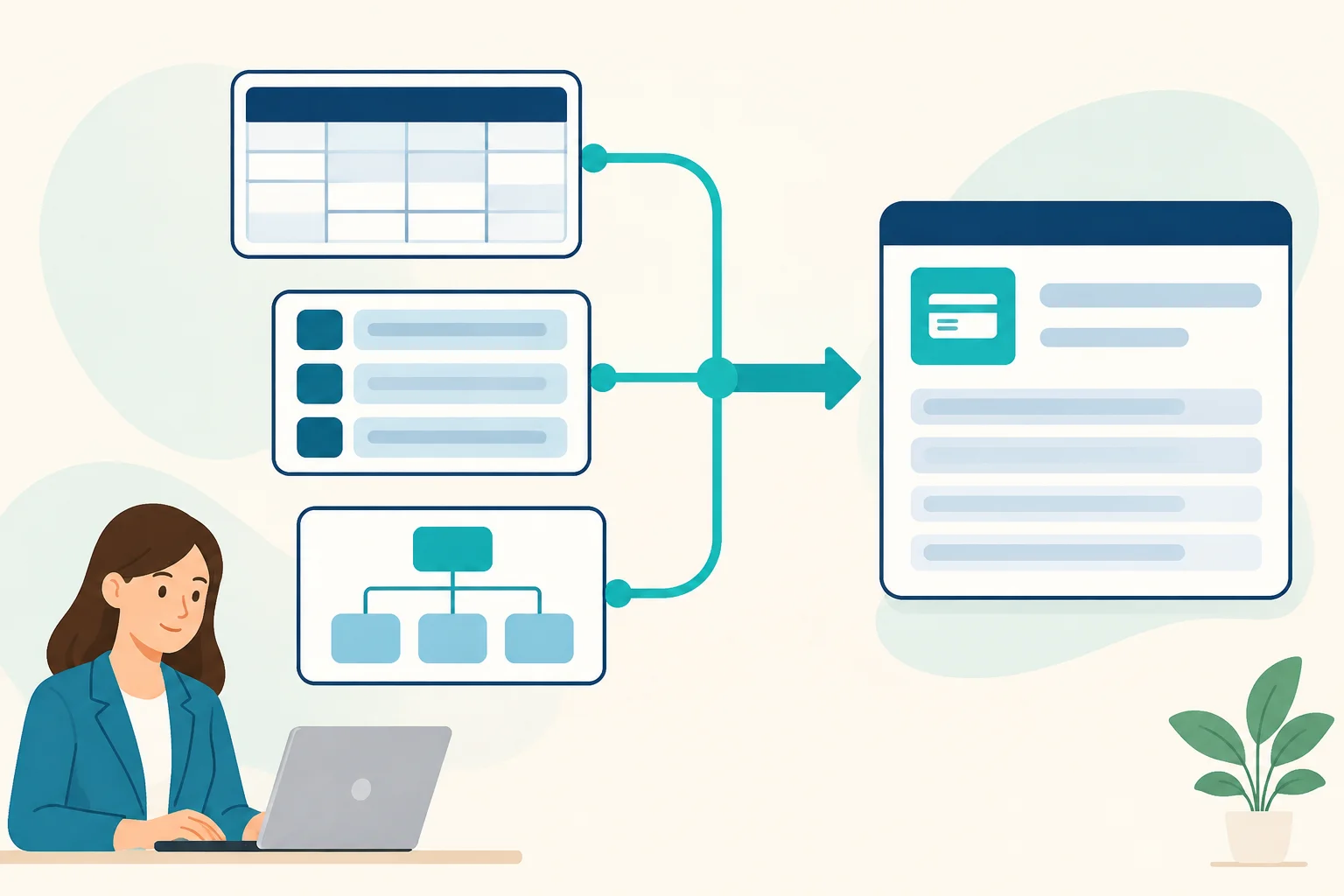
A person reviewing transaction records beside a laptop and organized financial notes
Record structure
Date
2026-04-08
Payee
Market
Amount
−$85.00
Category
Groceries
Account
Everyday Account
Status
Cleared

A transaction combines distinct fields into one reviewable record.

Record structure

Transaction Record Anatomy

A transaction record keeps the details of a financial entry together. Understanding each field makes classification, import review, and record checks easier.

Illustrative source record2026-04-08 | Sample Market | -85.00
Illustrative field mapping
Date
Apr 08
Payee
Market
Category
Groceries
Amount
−$85

The source record and diagram are illustrative examples; “Sample Market” and “Market” are not presented as identical payee strings.

Eight fields, distinct roles

Each field answers a different question. Several independent fields can coexist in one transaction record.

Date
When the transaction took place or was recorded.
Payee
The person or business associated with the payment.
Category
The spending or income group used to organize the entry.
Amount
The transaction value, with its direction represented by the sign.
Account
The account where the transaction is recorded.
Tag
An additional label for grouping entries across categories.
Memo
A note that preserves useful context about the entry.
Status
Whether the transaction has been cleared or remains uncleared.
Explore Transaction Structures
How records are classified

Classification Dimensions

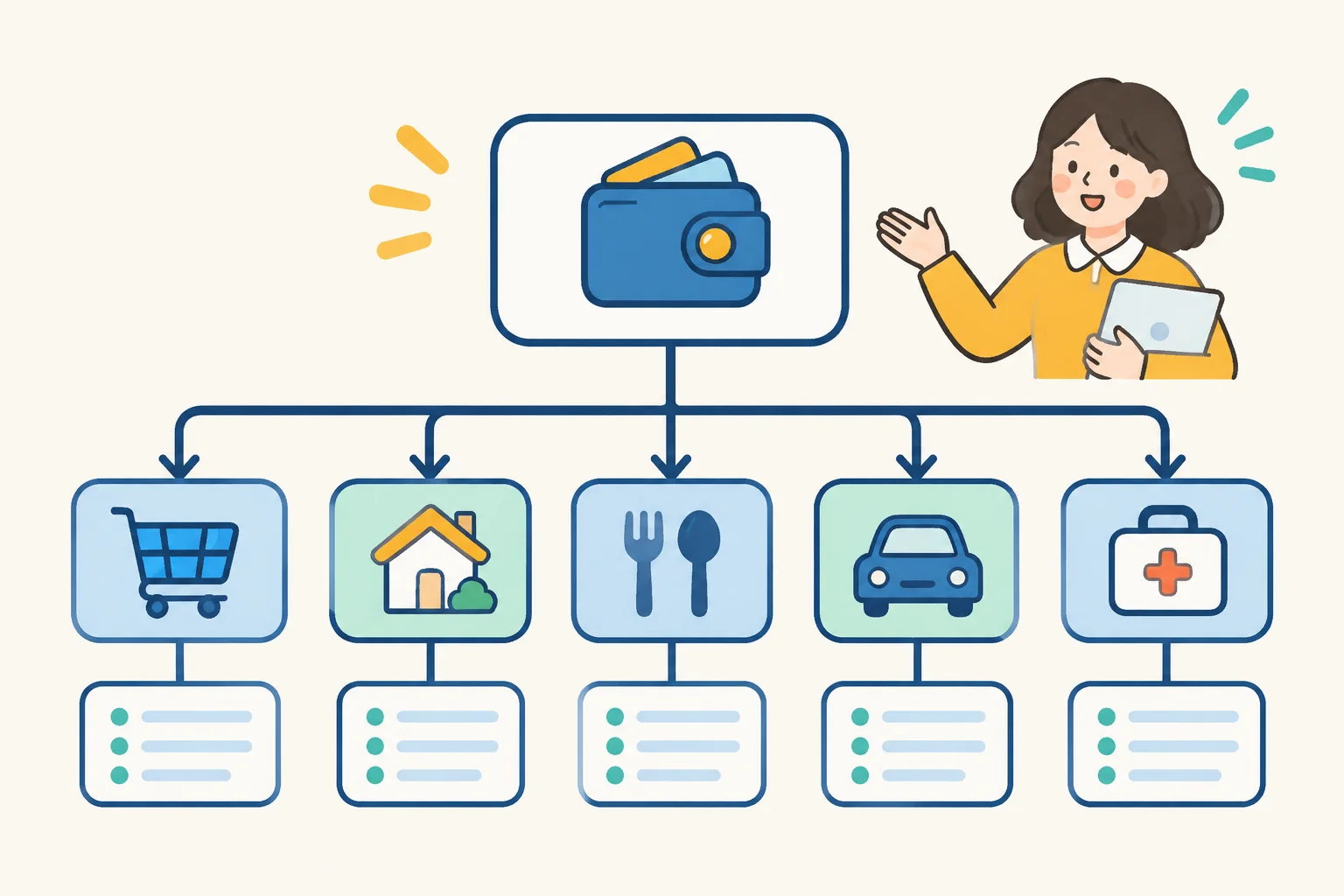
Each transaction can carry several kinds of classification information. Explore how categories, payees, tags and splits answer different questions while keeping the original record in view.

Classification Systems learning resource
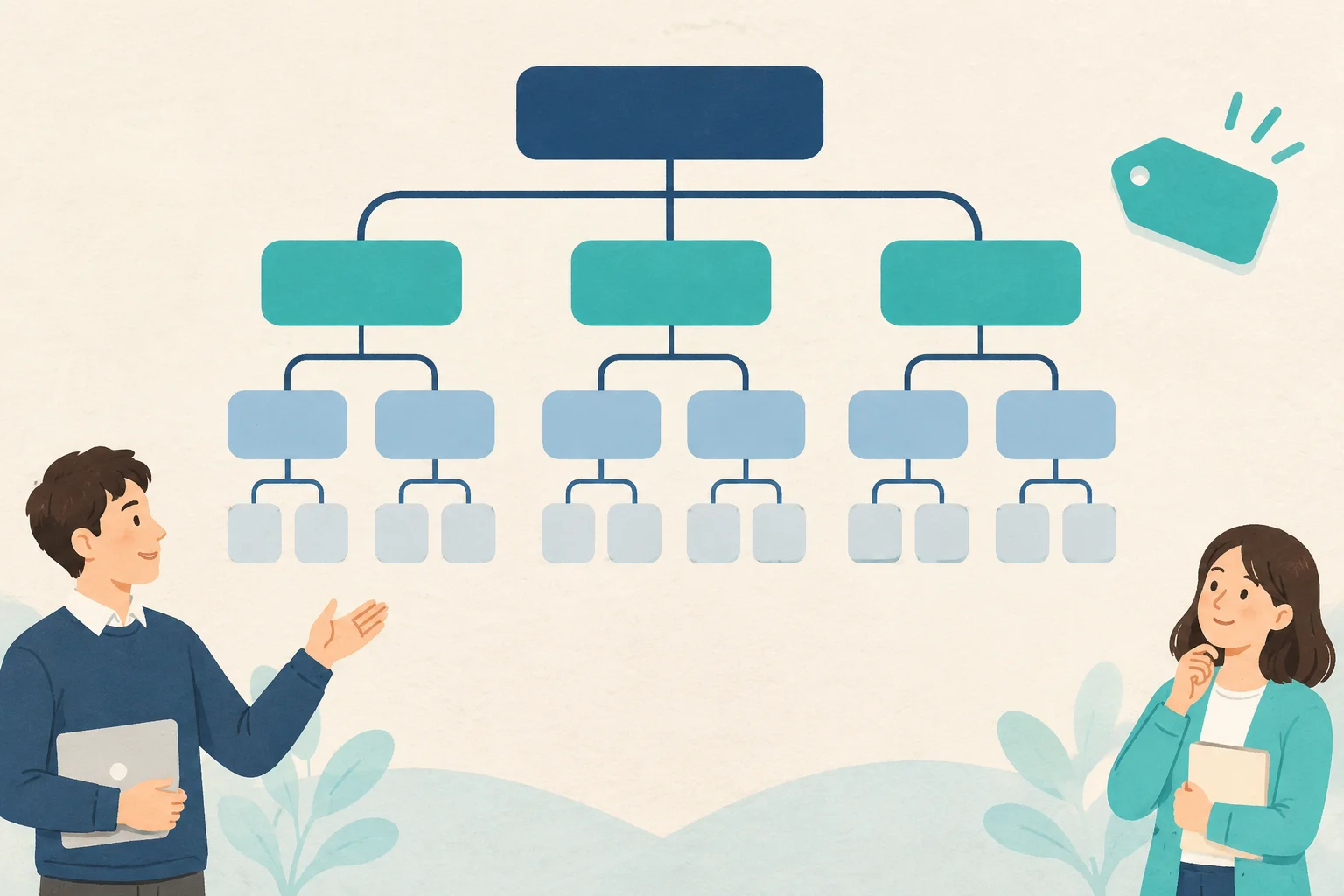
Category Hierarchy

Classification Systems

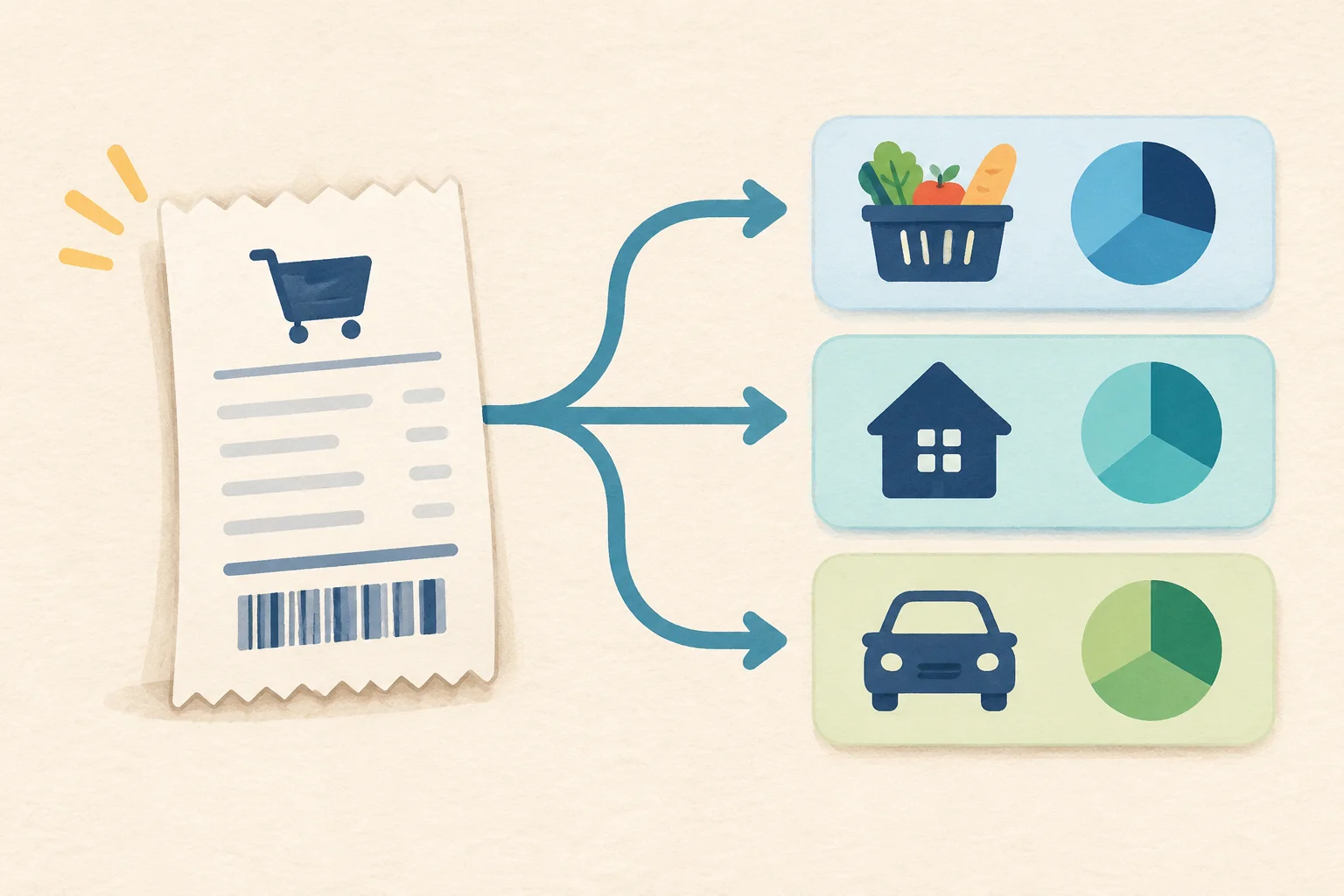
How can parent and child categories organize a purchase? See how category structure works alongside payee identity, tags and split allocations in one fictional grocery record.

Explore category structure
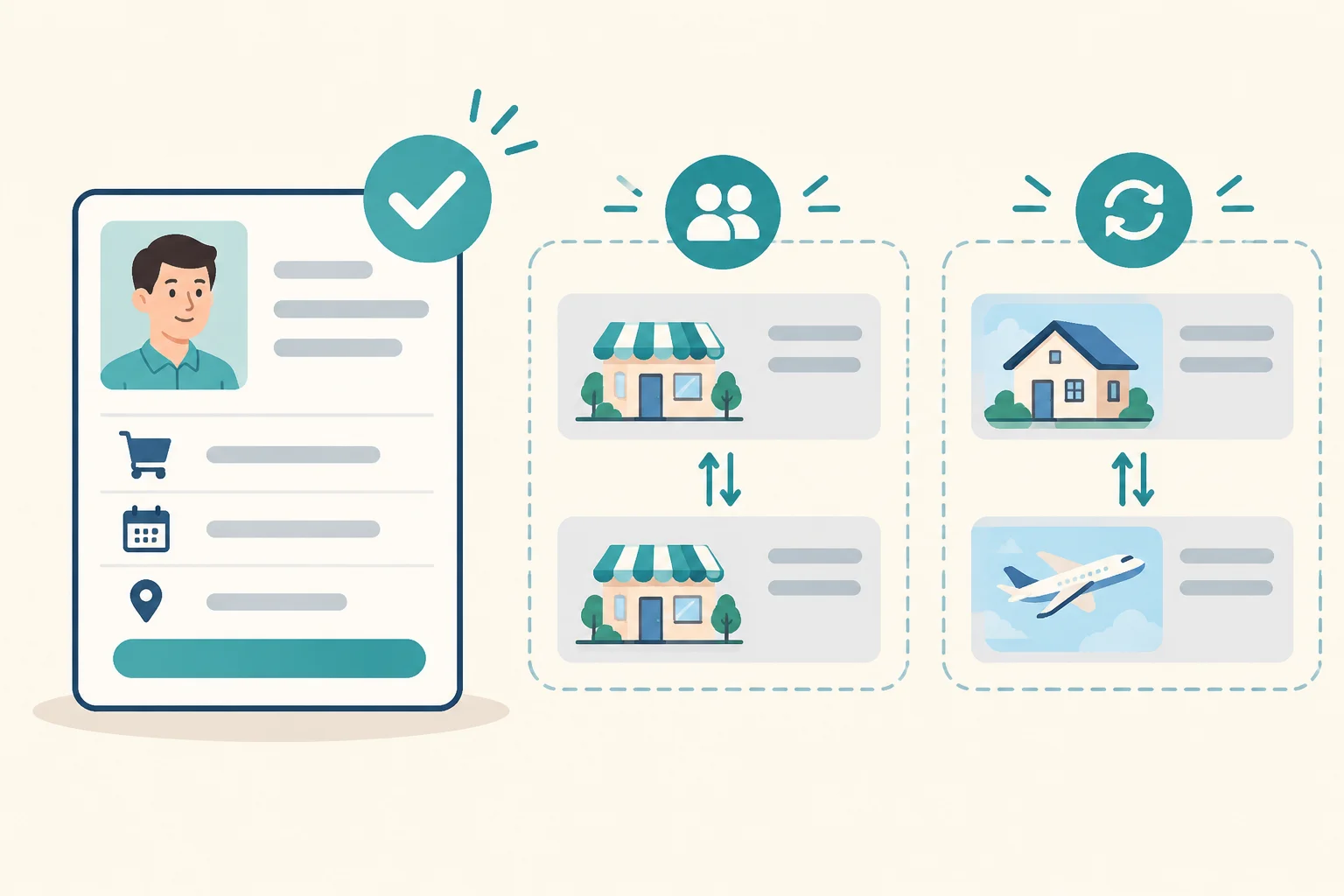
Import Structures learning resource
Transaction Tags

Import Structures

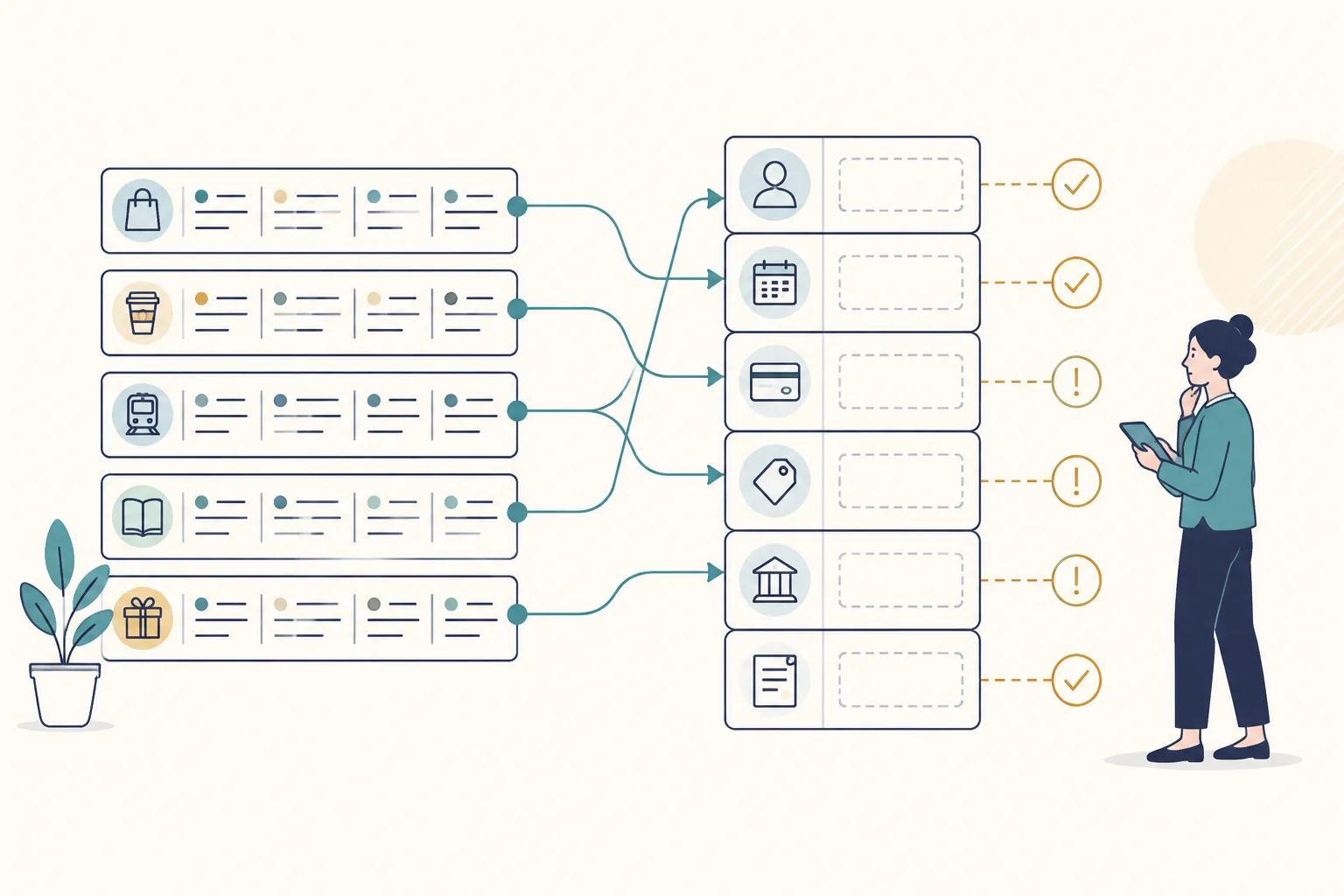
What does each imported field tell you about a transaction? Compare CSV, QIF, OFX and QFX structures, then consider where category and supplementary tag information belongs.

Compare import formats
Record Quality learning resource
Payee Identity

Record Quality

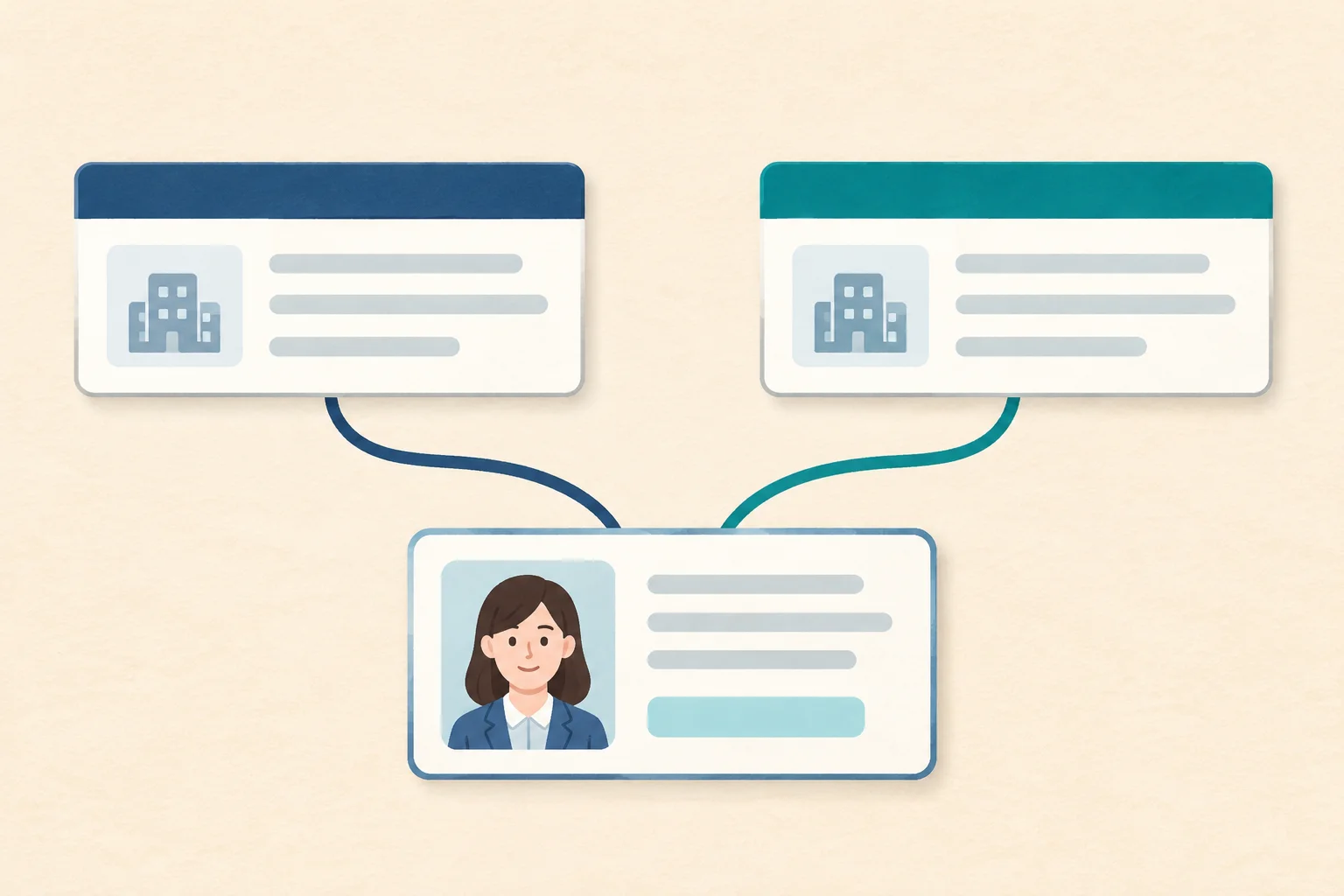
Who received or provided the money, and is that identity recorded consistently? Review payee names alongside dates, amounts, categories and other record details.

Review record quality
Classification Explorer learning resource
Split Records

Classification Explorer

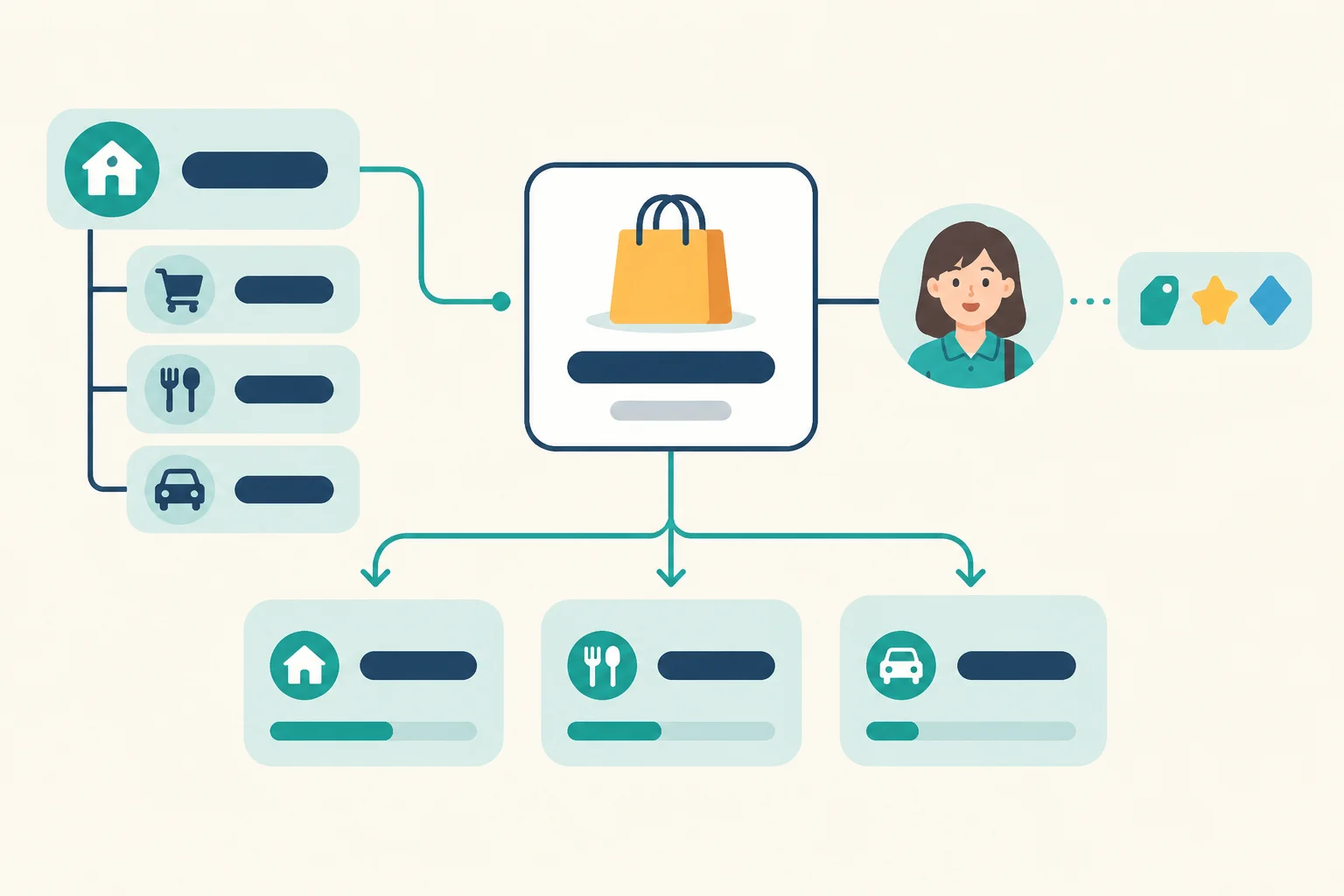
How can one transaction be allocated across several categories without becoming several purchases? Inspect fictional records, including a split and examples that merit duplicate review.

Explore sample records
Practical learning

What You Can Learn

Explore the parts of a transaction record and see how each one contributes to clear, consistent classification. These lessons use fictional examples to explain categories, tags, splits, and import review.

Recognize record fields

Tell dates, payees, amounts, accounts, categories, tags, memos, and status apart by the role each field plays.

  • Separate identity from classification
  • Read each field in context

Build clear category hierarchies

Use parent categories and subcategories to group related transactions with distinctions that stay understandable.

  • Group related spending themes
  • Avoid overlapping category meanings

Distinguish tags from categories

See how categories classify a transaction while tags add a separate label for context across different categories.

  • Keep classification dimensions distinct
  • Apply useful cross-category labels

Interpret split allocations

Follow one fictional $120 purchase allocated across three categories, with the $72, $30, and $18 shares adding back to the original amount.

  • Check allocations against the total
  • Keep one source transaction intact

Review possible import duplicates

Compare matching dates, amounts, and payees as review clues; context matters because similar records can also be separate purchases.

  • Check references and memo details
  • Review before treating records as duplicates

Start with the record structure, then explore how each classification choice fits.

Explore transaction anatomy
Import formats

Understanding Imported Transaction Data

CSV, QIF, OFX and QFX can describe transaction records in different ways. Knowing how each format structures its data makes it easier to interpret fields and map them accurately during import.

01 · Table-based

CSV

CSV files arrange data in rows and columns. A row commonly represents a transaction, while column headings identify values such as date, payee and amount; those columns may need to be matched to the appropriate destination fields.

Check the headings, date presentation and amount signs before mapping.

02 · Record-based

QIF

QIF stores transactions as labeled records. Each record can contain fields for values such as date, payee, amount and category, so recognizing the labels and where one record ends helps clarify the information being imported.

Interpret the record labels and boundaries before assigning fields.

03 · Structured data

OFX

OFX organizes financial data in a structured format with named elements. The structure can carry transaction details such as dates, descriptions and amounts, which still need to be understood in context when brought into a personal-finance file.

Review the meaning of each available element, not just its label.

04 · Structured data

QFX

QFX uses a structured transaction format. Its records can include identifying details alongside dates and amounts; compare the available fields with the destination record so each value is interpreted consistently.

Confirm field meaning and transaction context before import.

Review possible matches

Desktop HomeBank supports CSV, QIF, OFX and QFX imports and can detect potentially duplicated transactions. A possible match is a reason to inspect the records, not proof that they are duplicates: two genuine purchases can share a date, payee and amount. Source: gethomebank.org.

Illustrative records

Two fictional cafe entries share the same date, payee and amount, but their memos show separate morning and afternoon visits. Treat matching details as a prompt for context, not an automatic decision to remove a record.

For a practical walkthrough of transaction categories, payees, tags and import review, read the independent desktop HomeBank guide.

Read the HomeBank guide
Illustrative split transaction

$120.00 total

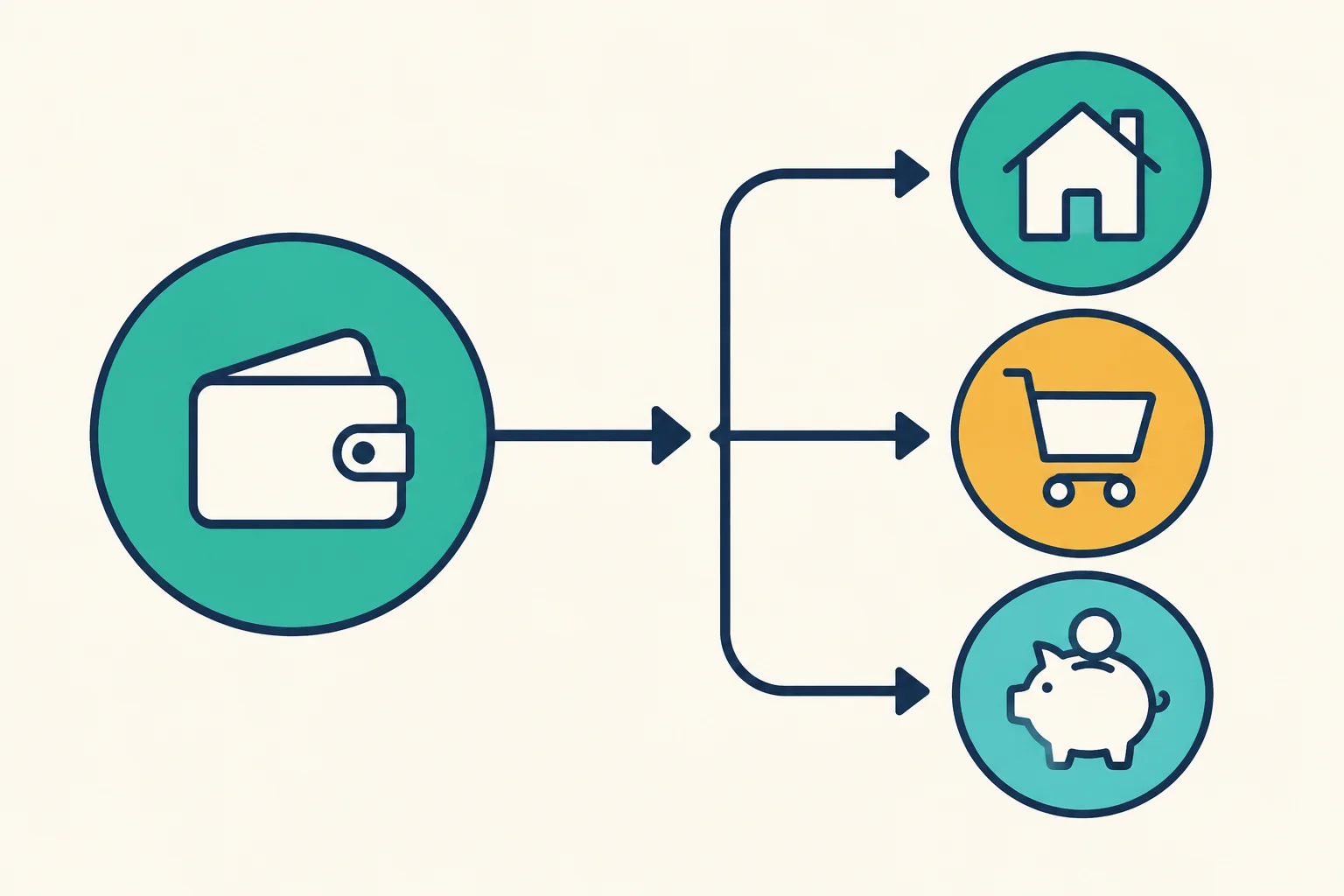
One amount, three category allocations

Allocation check$72.00 + $30.00 + $18.00 = $120.00
A closer look at category splits

One Transaction, Three Categories

A category split distributes one transaction amount across several classifications. Here, the original $120.00 purchase stays one transaction while its amount is allocated to Groceries, Household Supplies, and Personal Care.

Because the three allocations add up to the original total, the record’s overall amount remains unchanged. This keeps the source purchase distinct from the categories used to describe it.

Read the category splits lesson
Record review

Understanding Potential Duplicates

Matching dates and amounts can be a reason to review two imported records, but they do not prove that the records describe the same purchase. Compare references, memos, account details, and the surrounding context before deciding how to classify them.

Potential duplicate

R05 and R06 · City Books

Both records are dated 2026-04-11 and show −$24.00 in Books from the Everyday Account. Each is marked Reading and Uncleared, and both share reference DEMO-BOOK.

One memo describes a book purchase; the other says “Second imported copy.” The shared reference and matching details make these records worth checking, while the memo provides context for the review.

Date
2026-04-11
Amount
−$24.00
Reference
DEMO-BOOK
Status
Uncleared

Review both source records before treating either entry as a duplicate.

Separate transactions

R03 and R04 · Corner Cafe

Both records are dated 2026-04-10 and show −$6.50 in Dining from the Everyday Account. Their matching date, payee, category, and amount may look alike at first glance.

The memos describe a Morning breakfast visit and a separate Afternoon visit. Those details indicate two distinct visits, even though the core transaction fields match.

Date
2026-04-10
Amount
−$6.50
Payee
Corner Cafe
Account
Everyday Account

Matching amount and date alone do not establish that two entries are duplicates.

Careful review preserves valid repeated purchases and helps identify imported copies using the evidence in each record.

Contact EntryMap Fieldbook
Independent learning collection

Transaction Classification in HomeBank

Explore independent lessons on organizing transaction records in the desktop HomeBank personal-finance program. Learn how categories, payees, tags, imports and review practices fit together through practical fictional examples.

Categories and Subcategories lesson
October 12, 20266 minutes

Categories and Subcategories

See how parent categories and subcategories organize fictional purchases and make category-based statistics easier to interpret without changing transaction records.

Read the lesson
Category Splits lesson
October 26, 20266 minutes

Category Splits

Follow one fictional $120 purchase allocated across three categories: $72 for groceries, $30 for household supplies and $18 for personal care.

Read the lesson
Statistics Reports lesson
November 16, 20267 minutes

Statistics Reports

See how reports total transactions by category, payee, or tag, and why consistent classification keeps every report line meaningful.

Read the lesson
Browse by topic

Explore the classification essentials

Go straight to a focused lesson on the record details and reporting tasks you want to understand.

Practice with fictional records

Classification Explorer

Compare six fictional transactions by category, payee and tag. Filters work together, and a split transaction appears when any of its allocated categories matches.

Matching records

6 records found

R01 · Market

ID
R01
Date
2026-04-08
Payee
Market
Amount
−$85.00
Category
Groceries
Account
Everyday Account
Tag
Weekly shopping
Memo
Pantry purchase
Status
Cleared

R02 · Sample Market

ID
R02
Date
2026-04-09
Payee
Sample Market
Amount
−$120.00
Category
Split: Groceries $72.00; Household Supplies $30.00; Personal Care $18.00
Account
Everyday Account
Tag
Mixed basket
Memo
Combined household purchase
Status
Cleared

R03 · Corner Cafe

ID
R03
Date
2026-04-10
Payee
Corner Cafe
Amount
−$6.50
Category
Dining
Account
Everyday Account
Tag
Morning
Memo
Breakfast visit
Status
Cleared

R04 · Corner Cafe

ID
R04
Date
2026-04-10
Payee
Corner Cafe
Amount
−$6.50
Category
Dining
Account
Everyday Account
Tag
Afternoon
Memo
Separate afternoon visit
Status
Cleared

R05 · City Books

ID
R05
Date
2026-04-11
Payee
City Books
Amount
−$24.00
Category
Books
Account
Everyday Account
Tag
Reading
Memo
Book purchase, reference DEMO-BOOK
Status
Uncleared

R06 · City Books

ID
R06
Date
2026-04-11
Payee
City Books
Amount
−$24.00
Category
Books
Account
Everyday Account
Tag
Reading
Memo
Second imported copy, reference DEMO-BOOK
Status
Uncleared

Read the context

R03 and R04 are separate cafe visits despite matching dates, payees and amounts. R05 and R06 are possible duplicates that require review; matching details alone do not prove duplication.

Study transaction anatomy
Practical reading

Latest Field Notes

Explore clear examples for organizing categories, reading imported records, and reviewing transaction details. Each note focuses on a practical classification decision.

A project statement

Why EntryMap Fieldbook Exists

I created EntryMap Fieldbook to make transaction structure and classification easier to understand, one record at a time. Fictional examples show how categories, payees, tags, splits, and imported fields relate—without presenting sample transactions as anyone’s real financial data.

The aim is to help readers examine how a record is organized, ask better questions about its details, and make sense of classification choices in desktop HomeBank.

— EntryMap Fieldbook

About the project
A person reviewing transaction records at a desk
Clear answers

Frequently Asked Questions

Understand how transaction records are organized, what import checks can and cannot tell you, and how this independent learning resource handles your information.

Classification groups records by meaningful categories so spending summaries and reviews are easier to interpret. A consistent structure also helps you compare similar transactions without changing the original record.

Contact EntryMap Fieldbook
Corrections and accessibility

Contact and Feedback

Share a correction to our educational material or tell us about an accessibility issue. Clear feedback helps keep EntryMap Fieldbook useful and easier to navigate.

Please do not send credentials, bank statements, or identifiable transaction records.